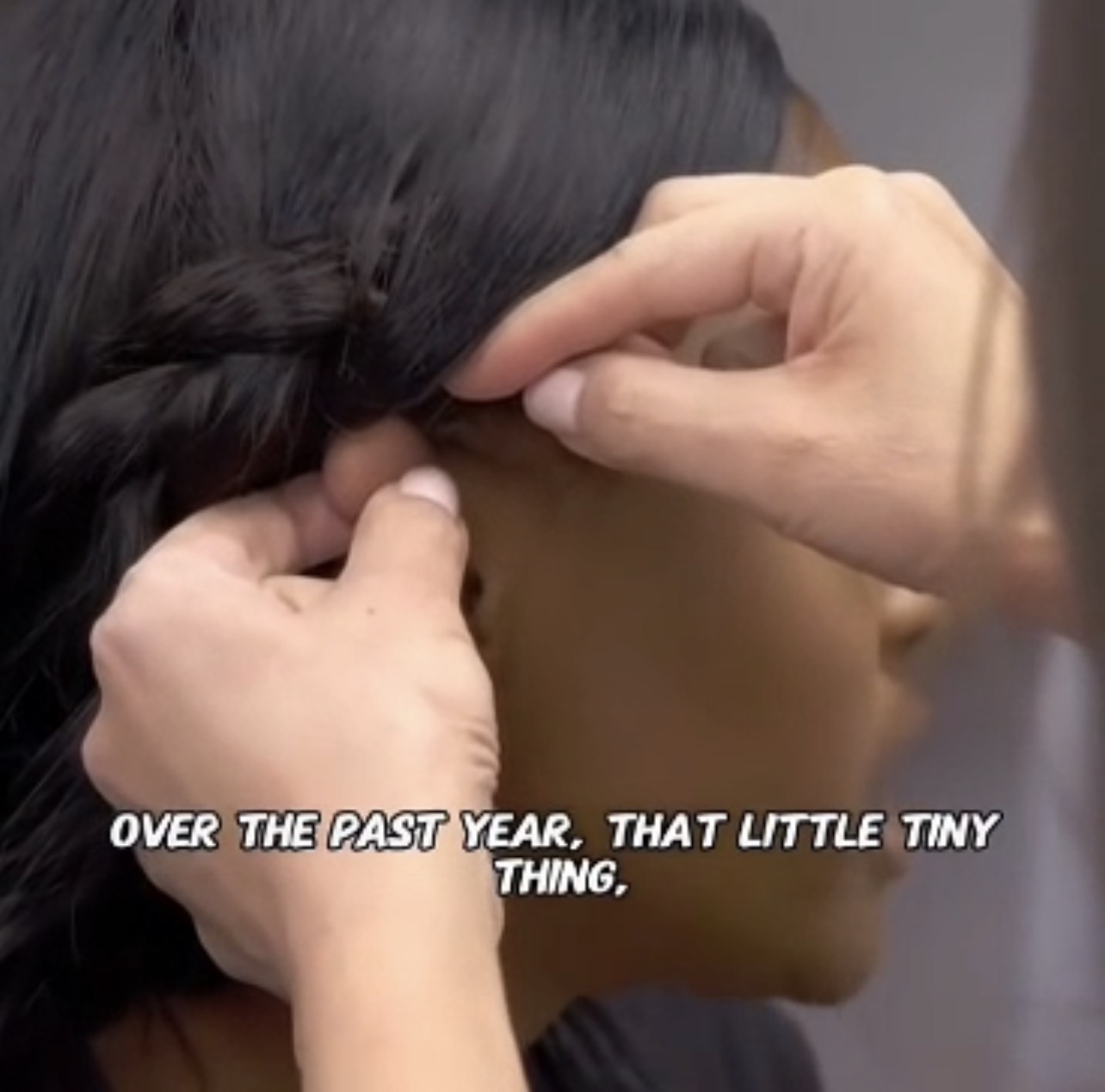
The Art and Care of Ear Piercing: What to Expect and How to Keep Your Ears Healthy
Ear modifications—ranging from classic lobe piercings to intricate cartilage curation—remain one of the most timeless forms of personal expression. However, behind every stylish earring setup lies the importance of proper technique, aftercare, and understanding how your skin heals.
Whether you are getting your very first piercing or consulting a professional about an existing one, here is a complete guide to ear care, safety, and troubleshooting.
1. Professional Consultation: Technique Matters
When having an ear evaluated or pierced, precision and hygiene are paramount.
- Needle vs. Piercing Gun: Certified professionals always recommend single-use, sterile hollow needles over piercing guns. Needles cause significantly less tissue trauma and reduce the risk of structural damage or scarring.
- Anatomy Assessment: An expert will always assess the unique shape, thickness, and blood supply of your ear before placing jewelry to ensure optimal alignment and healing.
- Sterile Environment: Ensure all equipment, gloves, and jewelry are medical-grade and properly sanitized.
2. Common Issues: What the Pros Look For
During an ear examination or follow-up, practitioners typically evaluate:
| Issue | Description | Common Cause |
| Irritation Bumps | Small, localized swelling near the piercing hole | Friction, poor jewelry quality, or sleeping on the piercing |
| Keloids / Hypertrophic Scars | Overgrowth of scar tissue around the wound | Genetic predisposition or excessive trauma during healing |
| Earlobe Tearing / Stretching | Elongation of the piercing channel | Heavy earrings, sudden snags, or prolonged wear |
| Contact Dermatitis | Redness, itchiness, and flaking skin | Allergic reaction to metals (commonly nickel) |
3. Essential Aftercare Guidelines
Proper aftercare is the single most important factor in preventing infections and complications:
- Clean with Sterile Saline: Spray the front and back of the area with sterile 0.9\% saline solution 1–2 times daily. Avoid harsh chemicals like alcohol, hydrogen peroxide, or antibacterial soaps.
- Keep Hands Off: Resist the urge to twist, turn, or touch the jewelry. Your hands carry bacteria that can easily introduce infection into an open wound.
- Avoid Pressure: Do not sleep directly on new piercings. Consider using a travel pillow (placing your ear in the hole) to alleviate direct pressure.
- Choose Hypoallergenic Materials: Stick to implant-grade titanium, 14k/18k solid gold, or surgical steel to minimize allergic reactions.
4. When to See a Specialist
Minor redness and tenderness are normal in the first few days. However, you should consult a dermatologist or piercer if you experience:
- Persistent throbbing pain, heat, or excessive swelling
- Yellowish or greenish discharge with an odor
- Jewelry embedding into the skin
- Large, painless bumps growing around the site (potential keloids)
Pro Tip: If you suspect an infection, do not remove the jewelry immediately unless advised by a doctor. Removing it can cause the hole to close, trapping the infection inside the tissue.