The Science Behind the Red Infusion: How Hibiscus, Cloves, and Avocado Support Vitality
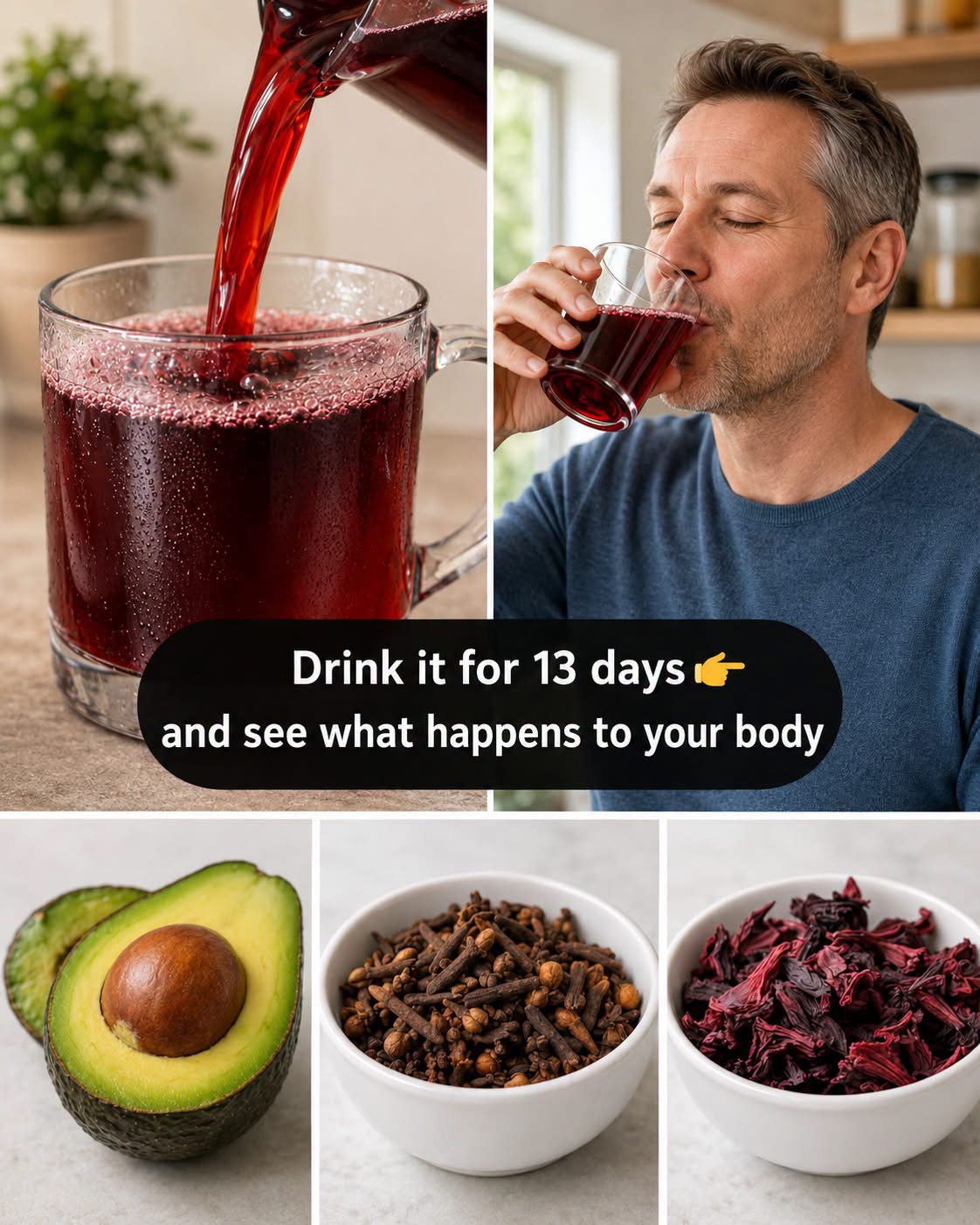
In online wellness spaces, short-form posts and visual graphics frequently promote specific timeline-based routines. A prominent example is seen in the layout of the featured image, which encourages individuals to drink a deep ruby-red infusion for “13 days” to experience a physical reset.
The recipe highlighted across the image panels combines three distinct botanical ingredients: Dried Hibiscus Calyces (Hibiscus sabdariffa), Whole Dried Cloves (Syzygium aromaticum), and Fresh Avocado (often incorporated via seed infusions or dietary pairing). While arbitrary timeline challenges like a “13-day transformation” are popular social media hooks, the ingredients themselves possess clinically validated bioactive profiles.
To provide an authoritative, evidence-based resource compliant with standard digital publishing and advertising quality standards, this guide examines the underlying biochemistry of this herbal trio, how it affects the cardiovascular and metabolic systems, and how to safely prepare it at home.
🔬 The Phytochemical Blueprint of the Ingredients
The vibrant red hue and distinct aroma of the brewed infusion come directly from the high concentration of polyphenols and volatile oils present in these plants.
1. Dried Hibiscus Calyces (Hibiscus sabdariffa)
Hibiscus gives the drink its deep crimson color and tart flavor. Its active therapeutic profile includes:
- Anthocyanins (Delphinidin and Cyanidin): Water-soluble flavonoid pigments that function as free-radical scavengers, protecting vascular walls from oxidative stress.
- Organic Acids (Hibiscus Acid, Citric Acid, and Malic Acid): These compounds contribute to the natural acidity of the tea, helping stimulate digestive secretions and supporting metabolic balance.
- ACE-Inhibiting Bioactives: Clinical studies have demonstrated that compounds in hibiscus can act as mild, natural inhibitors of angiotensin-converting enzyme (\text{ACE}), supporting healthy vascular relaxation.
2. Whole Cloves (Syzygium aromaticum)
Cloves are one of the most concentrated sources of dietary antioxidants in the botanical world.
- Eugenol: The dominant phenolic component in cloves, accounting for 70% to 90% of its essential oil. Eugenol exhibits potent free-radical scavenging, anti-inflammatory, and antimicrobial properties.
- Gallic Acid and Flavonoids: These polyphenols work synergistically with eugenol to reduce cellular lipid peroxidation and maintain tissue resilience.
3. Avocado Components (Persea americana)
In traditional wellness recipes, both avocado flesh and grated avocado seed are utilized. The seed and fruit contain:
- Condensed Tannins and Flavonols: Concentrated polyphenols that support baseline microcirculation.
- Monounsaturated Fatty Acids (Oleic Acid): Healthy fats that assist in the systemic absorption of fat-soluble vitamins and support balanced lipid levels.
🫀 Cardiovascular and Metabolic Impact: What Science Confirms
When consumed consistently as part of a balanced diet, the synergy between hibiscus, cloves, and avocado bioactives supports several primary physiological functions:
[Hibiscus Anthocyanins + Clove Eugenol] ──> [Vascular Nitric Oxide Support] ──> [Endothelial Relaxation & Healthy Blood Flow]
1. Blood Pressure and Vascular Tone
Systematic reviews and clinical trials show that daily consumption of brewed hibiscus infusion helps maintain blood pressure already within a normal range. The natural vasodilatory action reduces resistance in peripheral blood vessels, promoting smoother blood flow without the harsh side effects associated with synthetic stimulants.
2. Antioxidant Defense and Cellular Protection
The combination of clove eugenol and hibiscus anthocyanins creates a high Oxygen Radical Absorbance Capacity (\text{ORAC}) value. Ingesting these antioxidants neutralizes reactive oxygen species (\text{ROS}) in the bloodstream, helping to shield low-density lipoprotein (\text{LDL}) cholesterol from oxidative degradation—a crucial step in preserving long-term arterial health.
3. Mild Diuretic and Fluid Balance Support
Hibiscus functions as a mild, potassium-sparing natural diuretic. By encouraging the gentle excretion of excess fluid without depleting essential electrolytes, it helps alleviate water retention, reduce puffiness, and relieve pressure on the renal system.
ðŸ—“ï¸ Fact-Checking the “13-Day” Timeline
Viral posts often imply that following a strict, short-term protocol creates permanent structural changes or “cures” chronic ailments. The scientific reality is more grounded:
- Days 1 to 3 (Hydration and Fluid Balance): The mild diuretic effect of hibiscus helps reduce excess water retention, leading to a lighter physical feeling.
- Days 4 to 8 (Digestive and Antioxidant Boost): Clove compounds soothe the digestive lining and reduce gas, while circulating polyphenol levels rise, combating daily oxidative fatigue.
- Days 9 to 13 (Vascular Adaptation): Sustained intake of anthocyanins supports endothelial function and microcirculation, contributing to improved daily vitality and stamina.
The Medical Reality: While a two-week routine provides a tangible wellness boost, chronic metabolic conditions require consistent, long-term dietary and lifestyle management rather than quick fixes.
🥣 Step-by-Step Preparation Guide
To extract the maximum concentration of water-soluble bioactives without scorching the delicate aromatic oils, follow this controlled kitchen protocol:
Ingredients
- 2 tablespoons dried hibiscus flowers (organic, food-grade)
- 4 to 6 whole dried cloves
- 1 small piece clean avocado seed (thinly sliced or grated, optional) or \frac{1}{2} fresh avocado served alongside
- 4 cups filtered water
- Optional: A slice of fresh lemon or \frac{1}{2} teaspoon raw honey
Instructions
- Boil the Water: Bring 4 cups of filtered water to a rolling boil in a non-reactive stainless steel or glass pot.
- Add Botanicals: Remove the pot from direct heat. Add the dried hibiscus calyces, whole cloves, and grated avocado seed.
- Cover and Steep: Cover the pot tightly with a lid to prevent the volatile clove essential oils from evaporating with the steam. Let the mixture steep for 10 to 12 minutes.
- Strain and Serve: Pour the liquid through a fine-mesh strainer into a glass mug or heat-resistant pitcher, as shown in the top panels of the image. Consume warm or let it cool in the refrigerator for a refreshing iced beverage.
📊 Quick-Reference Guide: Safe Usage Parameters
| Metric / Aspect | Standard Clinical Guideline |
| Primary Active Compounds | Anthocyanins, Eugenol, Organic Acids, and Polyphenols. |
| Recommended Intake | 1 to 2 standard cups (250\text{ to }500\text{ ml}) daily. |
| Optimal Consumption Window | Morning or early afternoon (avoid late nights due to mild diuretic action). |
| Storage Best Practice | Keep strained liquid in an airtight glass jar in the refrigerator for up to 48 hours. |
âš ï¸ Important Safety and Precautions
While this botanical infusion is safe for most healthy adults, specific precautions must be observed:
- Hypotension and Medications: Because hibiscus naturally lowers vascular resistance, individuals already diagnosed with low blood pressure or those taking prescription antihypertensive medications should monitor their blood pressure closely to avoid excessive drops.
- Pregnancy and Nursing: Hibiscus contains phytoestrogens that may stimulate uterine blood flow; it is not recommended for pregnant or breastfeeding women without medical clearance.
- Liver Function: Cloves contain high amounts of eugenol, which in extreme excess can stress hepatic pathways. Always stick to standard culinary quantities (4–6 whole cloves per batch) rather than using concentrated, undiluted essential oils internally.