Demystifying Infused Wellness Tonics: The Science and Reality of Clove, Ginger, and Mint Counter Top Remedies
In the modern wellness landscape, there is a powerful resurgence of interest in traditional, plant-based remedies. Home kitchens are increasingly doubling as personal apothecaries, where everyday herbs and spices are transformed into vibrant, steeped liquids meant to optimize physical health.
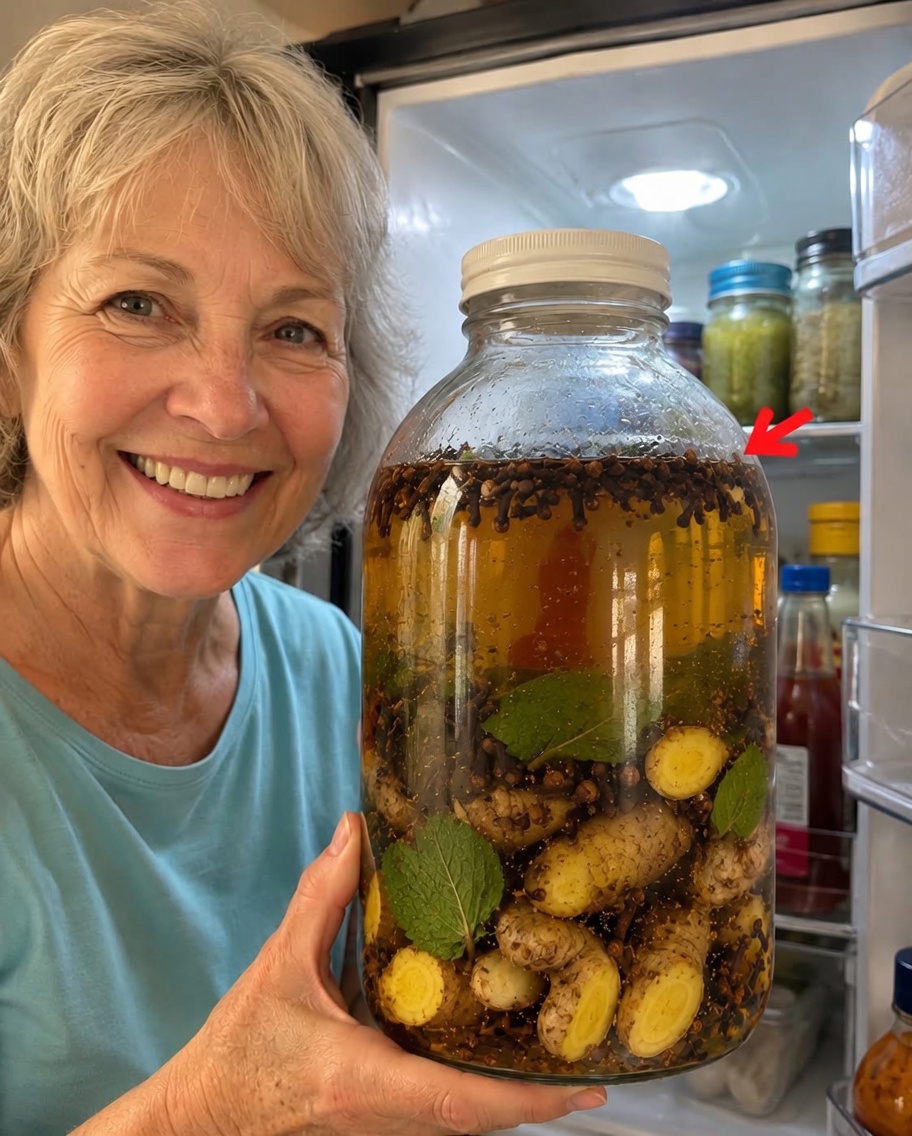
As captured in image_5.png, a popular practice involves taking massive glass jars and creating cold-steeped infusions featuring layers of fresh ginger root slices, whole aromatic cloves, and green mint leaves submerged in water. Kept chilled within a home refrigerator, these visual, deeply colored extracts are often consumed daily as an all-natural health tonic.
However, while the botanical ingredients chosen for these recipes possess genuine, science-backed healing properties, the online enthusiasm surrounding them often blurs the line between a supportive beverage and a medical cure-all. To get the most value out of these home infusions safely, it is essential to separate the verifiable biology from social media hype.
1. The Ingredient Breakdown: Active Botanical Compounds
The combination of ingredients shown in image_5.png is highly deliberate. Each plant brings a unique set of active biochemicals to the water, creating a multi-layered flavor profile and a dense concentration of natural antioxidants.
Ginger Root (Zingiber officinale)
The thick, pale yellow root slices packed tightly into the bottom of the jar contain a class of pungent bioactive substances known as gingerols and shogaols. In clinical biology, gingerol is celebrated for its ability to speed up gastric emptying. By stimulating the digestive tract, ginger helps alleviate feelings of heaviness, eases motion sickness, and reduces flatulence. Furthermore, gingerol is a potent anti-inflammatory agent that works at a cellular level to suppress oxidative stress.
Whole Cloves (Syzygium aromaticum)
Floating densely at the surface layer of the water in image_5.png (as highlighted by the red structural arrow) are whole cloves. Gram for gram, cloves are among the most antioxidant-rich spices on Earth. They are packed with plant compounds like polyphenols, flavonoids, and gallic acid.
The primary powerhouse compound within a clove is eugenol. Eugenol has been studied extensively for its natural antimicrobial and anti-inflammatory properties, which is why clove extracts are frequently utilized in professional oral care products and mouthwashes to battle bacteria.
Fresh Mint Leaves (Mentha)
Interspersed throughout the middle of the infusion jar are vibrant green mint leaves. The defining active component here is menthol. Menthol functions as a natural antispasmodic, meaning it physically relaxes the smooth muscles of the human gastrointestinal tract. When these muscles relax, trapped intestinal gas passes more freely, offering immediate comfort from painful stomach bloating and cramping.
2. Infusion Mechanics: Hot Steeping vs. Cold Steeping
When observing an infusion setup like the one in image_5.png, the question arises: is a cold overnight soak in the refrigerator superior to brewing a hot tea?
[Hot Steeping: 15 Mins]  ──> Rapidly extracts volatile oils, best for immediate relief
[Cold Soaking: 24+ Hours] ──> Slow, gentle extraction; minimizes bitterness, preserves heat-sensitive vitamins
Both extraction methodologies are highly effective, but they yield different chemical balances:
- The Hot Method (Teas & Decoctions): Boiling or simmering ginger and cloves for 15 minutes forcefully breaks down plant cell walls, extracting the maximum concentration of eugenol and gingerol into the water very rapidly. This is ideal if you are seeking immediate relief from an upset stomach or a sore throat.
- The Cold Method (Refrigerated Jars): Cold-steeping, as visualized in the provided image, takes significantly longer (usually 12 to 24 hours) because the molecules must slowly migrate into the water without thermal assistance. The primary benefit of cold steeping is flavor control; it extracts the aromatic sweetness of the mint and the brightness of the ginger without pulling out the highly bitter, astringent tannins from the cloves, resulting in an incredibly smooth, refreshing drink.
3. Separating Science from Social Media Hype
If you search for clove and ginger infusions online, you will find claims stating these drinks can dissolve body fat, reverse chronic illnesses, or instantly “detox” your organs. It is vital to look at these claims through a realistic lens:
The Biology of Detoxification: Your body already possesses an incredibly sophisticated, highly efficient detoxification system: your liver and kidneys. These organs filter your blood, neutralize compounds, and clear out waste around the clock. No herbal water or tonic “cleanses” your tissues from the outside. At best, the high water content of these tonics keeps you optimally hydrated, which allows your kidneys to perform their natural filtration jobs seamlessly.
Furthermore, most scientific studies showcasing the dramatic antibacterial or anti-inflammatory qualities of cloves and ginger are performed in laboratory petri dishes using highly concentrated, isolated essential oils or pharmaceutical extracts—not the highly diluted water you drink from a kitchen jar. Enjoying a glass of infused water is an excellent addition to a healthy lifestyle, but it should never be relied upon as a replacement for prescription medications or proper medical care.
4. How to Safely Prepare and Enjoy Home Tonics
If you want to build a safe, beneficial hydration routine using the recipe style featured in image_5.png, follow these essential guidelines:
Tonic Variable Ideal Standard Safety Purpose Water Base Filtered or Boiled Water Prevents the growth of unwanted bacteria during long steeps Ingredient Prep Scrubbed clean and thinly sliced Exposes maximum surface area for clean compound extraction Storage Temperature Kept continuously in the refrigerator Stops wild molds and yeasts from fermenting the raw sugars Maximum Shelf Life 3 to 4 Days Ensures the mixture remains fresh and free from contamination Potential Side Effects
Because these ingredients are potent, moderation is key. Drinking large amounts of highly concentrated clove water on an empty stomach can cause mild gastric irritation or acid reflux in individuals with sensitive digestive tracts. Additionally, because ginger possesses mild blood-thinning properties and cloves can impact blood glucose levels, individuals who are taking prescription blood thinners or diabetes medications should consult their primary physician before adopting a heavy, daily infusion routine.