The Science-Backed Wellness Secrets of Oregano: More Than Just a Pizza Topping
In the world of natural wellness, certain kitchen staples often hold surprising, potent benefits that have been utilized for generations across the globe. We often think of oregano as that essential herb sprinkled over a perfect Italian pizza or incorporated into rich tomato sauces. However, the true “power plant” lurking in your pantry—or your garden—is much more robust than its culinary reputation suggests.
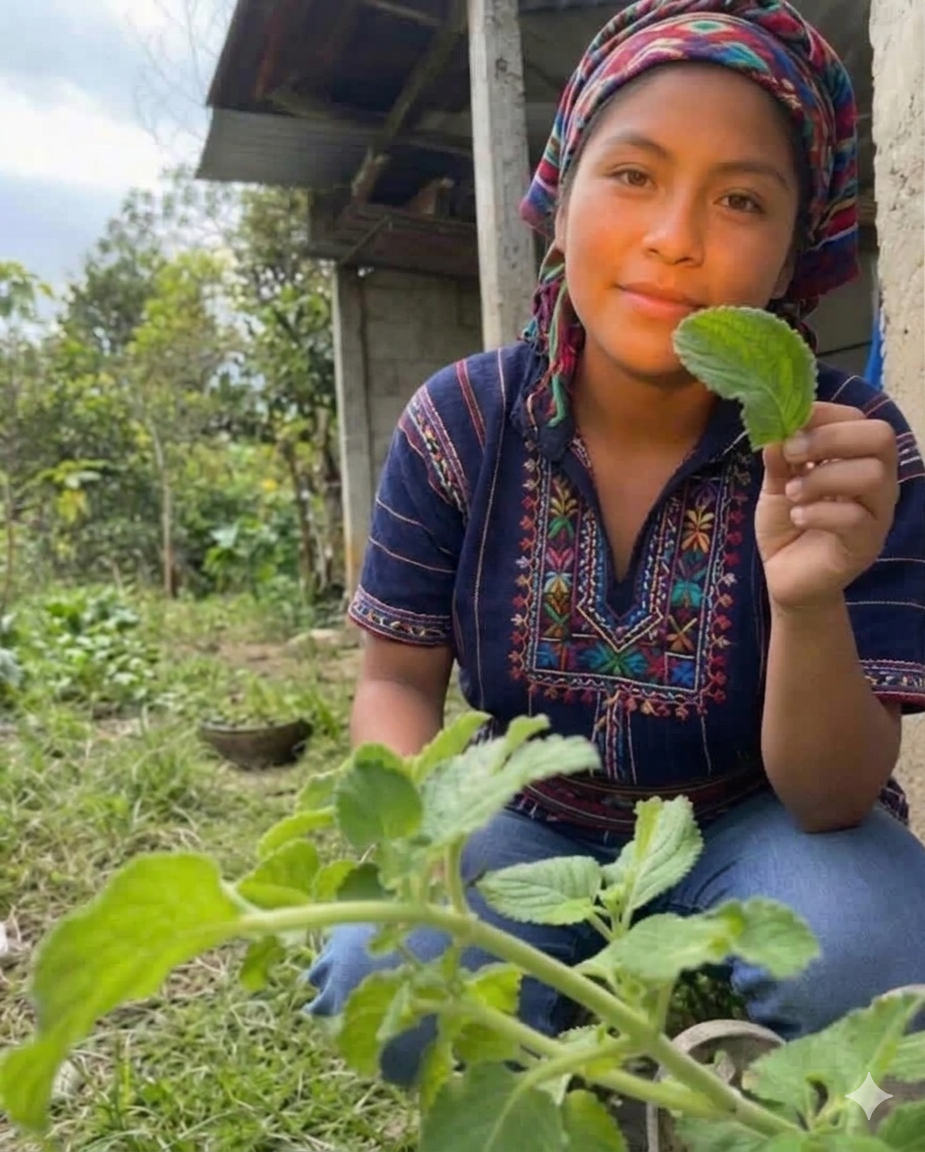
The striking image, image_14.png, powerfully captures the essence of this traditional knowledge. A young woman in vibrant traditional attire is shown crouching in a lush garden, gently holding up a single, fresh, fuzzy oregano leaf. This simple, elegant shot emphasizes the connection between raw, natural elements and ancestral wellness wisdom. The accompanying text box makes bold assertions that demand scientific scrutiny: “Oregano is 30 times stronger than lemon and 30 times stronger than garlic. It kills bacteria and fungi.”
While a direct “30 times stronger” calculation isn’t a precise clinical metric, the underlying message is biologically accurate: Oregano possess an exceptionally concentrated profile of therapeutic compounds. This article strips away the sensationalism to provide an evidence-based breakdown of why oregano is considered a paramount botanical asset for your holistic well-being.
🔬 The Molecular Mechanics: What is in the Leaf?
To understand how oregano interacts with human biology, we must analyze its fundamental chemical blueprint. The compounds responsible for its sharp, slightly bitter taste and pungent aroma are also the primary drivers of its health benefits. When the fresh oregano leaf shown in image_14.png is bruised, steam-distilled, or ingested, it releases highly active volatile oils.
1. Carvacrol
This is the principal phenolic compound in oregano, constituting up to 80% of its essential oil. Carvacrol is the biochemical heavyweight of the plant. It has been extensively studied for its ability to penetrate and disrupt the lipid membranes of unwanted cells.
2. Thymol
This monoterpene compound works synergistically with carvacrol. Thymol is renowned in modern medicine (and standard commercial mouthwashes) for its natural antiseptic and antifungal properties. In the complex matrix of the oregano leaf, it helps strengthen the body’s baseline defenses.
3. Rosmarinic Acid
This potent antioxidant polyphenol acts as a free-radical scavenger, protecting delicate cells from oxidative stress. When you consume standard culinary amounts of oregano daily, rosmarinic acid helps modulate the body’s natural inflammatory responses.
🛡️ Fact-Checking the Antimicrobial and Antifungal Claims
The assertion made in image_14.png that oregano “kills bacteria and fungi” is validated by a significant body of medical and botanical research. In laboratory in vitro studies, oregano oil consistently demonstrates powerful antimicrobic activity.
The Attack on Bacteria
Oregano oil has been proven effective against several highly resistant strains, including S. aureus (the bacterium behind MRSA) and E. coli. Carvacrol disrupts the bacteria’s cell wall permeability, causing the cellular contents to leak out and effectively neutralizing the pathogen. This makes oregano a valuable botanical ally for supporting the immune system during bacterial imbalances.
The Impact on Fungi and Yeast
When it comes to fungal concerns, specifically the systemic overgrowth of Candida albicans, oregano’s carvacrol and thymol provide substantial support. Research suggests that oregano can help inhibit the formation of persistent Candida biofilms, allowing the body to naturally manage and restore a balanced microbial environment.
📈 Comparing Potential: Oregano, Garlic, and Lemon
The claim that oregano is “30 times stronger than lemon and 30 times stronger than garlic” is a dramatic exaggeration of clinical data. Wellness shouldn’t be framed as a competition. However, this comparison accurately highlights a critical phytochemical reality: Oregano possesses a dramatically higher concentration of active volatile antimicrobic oils than almost any other culinary herb.
| Food/Herb | Key Therapeutic Compound | Primary Physiological Role | Relative Concentration of Volatile Oils |
|---|---|---|---|
| Fresh Lemon | Vitamin C, Citrus Bioflavonoids | Powerful antioxidant, systemic alkalizer, supports Vitamin C pathways. | Low (Mostly water and citric acid) |
| Raw Garlic | Allicin, Sulfur Compounds | Supports cardiovascular pathways, modulates blood pressure, supports innate immunity. | High (But allicin is volatile and short-lived) |
| Oregano Leaf | Carvacrol, Thymol, Rosmarinic Acid | Potent antimicrobic, antifungal, direct antioxidant. | Exceptionally High (Concentrated and stable) |
| Lemon is your go-to for daily oxidative defense and Vitamin C; Garlic is superior for long-term cardiovascular support. Oregano dominates when the goal is a targeted, robust antimicrobic blast. The image in image_14.png brilliantly reminds us that these concentrated properties are not synthetic chemicals; they are native to the fuzzy leaf we can cultivate in our own yards. |
⚠️ Important Side Effects and Safe Consumption Boundaries
Because the compounds in oregano are so concentrated, responsible and educated integration is foundational to holistic safety. More is not better, and heavy reliance can carry significant risks:
- Organ Stress: High doses of concentrated oregano oil (especially when taken internally) can put excessive stress on the liver and kidneys, which are responsible for metabolizing these complex volatile oils.
- Gut Health Disruption: While oregano kills “bad” bacteria, it does not distinguish well. Concentrated doses can disrupt your beneficial gut microbiome, much like synthetic antibiotics. Always consume high doses of oregano oil alongside quality probiotic support.
- Irritation: Raw oregano leaf or undiluted oil can cause mucosal irritation if consumed on an empty stomach or applied directly to sensitive skin.
Baseline Dosage and Safe Preparation
The young woman in image_14.png represents a connection to standard, traditional, safe preparation methods. She is not offering a factory-produced capsule; she is offering a recipe based on nature. For optimal safety, adhere to culinary-based integration:
- Fresh Leaf Tea: The gentlest way to use oregano. Steep 3 to 5 clean fresh leaves in hot (not boiling) water for 10 minutes.
- Culinary Garnish: Heavily season your rich tomato sauces, roasted vegetables, and stews. Heat slightly degrades the oils but helps the carvacrol meld with the fats, optimizing absorption.
- Diluted Oil: If using therapeutic-grade essential oil, always dilute 1 to 2 drops into a full tablespoon of olive or coconut oil before ingesting, and limit internal use to 5 consecutive days.